
Five Things I Learned About Myself as a Watch Collector in 2025
What 2025 taught me about money, taste, patience, and why the people matter more than the watches

Before I get into the personal stuff, it would be wrong not to acknowledge that 2025 was actually a very good year for watches.
We had genuinely interesting releases. Nomos quietly put out one of the most wearable and thoughtful world timers of recent years. Breguet reminded everyone that they still understand escapements better than almost anyone else. Cartier gave us a Tank à Guichet that felt faithful rather than gimmicky. Jaeger LeCoultre somehow made the Reverso feel fresh again with a Milanese bracelet that should have existed decades ago.


There were plenty of highlights, and plenty of hot takes. If you open YouTube or Substack right now, you will find no shortage of year in review lists, best of 2025 rankings and predictions for what comes next.
Rather than adding to that pile, I thought I would do something slightly different. This year taught me more about myself as a collector than about watches themselves. Some lessons were uncomfortable. Some were overdue. All of them felt worth writing down.
So here are five things I learned about myself as a watch collector in 2025.
1. More money does not mean more enjoyment
At the start of the year, I fell into a trap that I think many collectors recognise, even if we do not like to admit it. I assumed that progression in collecting meant escalation in price. Better collection meant more expensive watches. More expensive meant more special. More special meant more enjoyment.
That logic took me, fairly inevitably, to a first generation platinum Datograph.
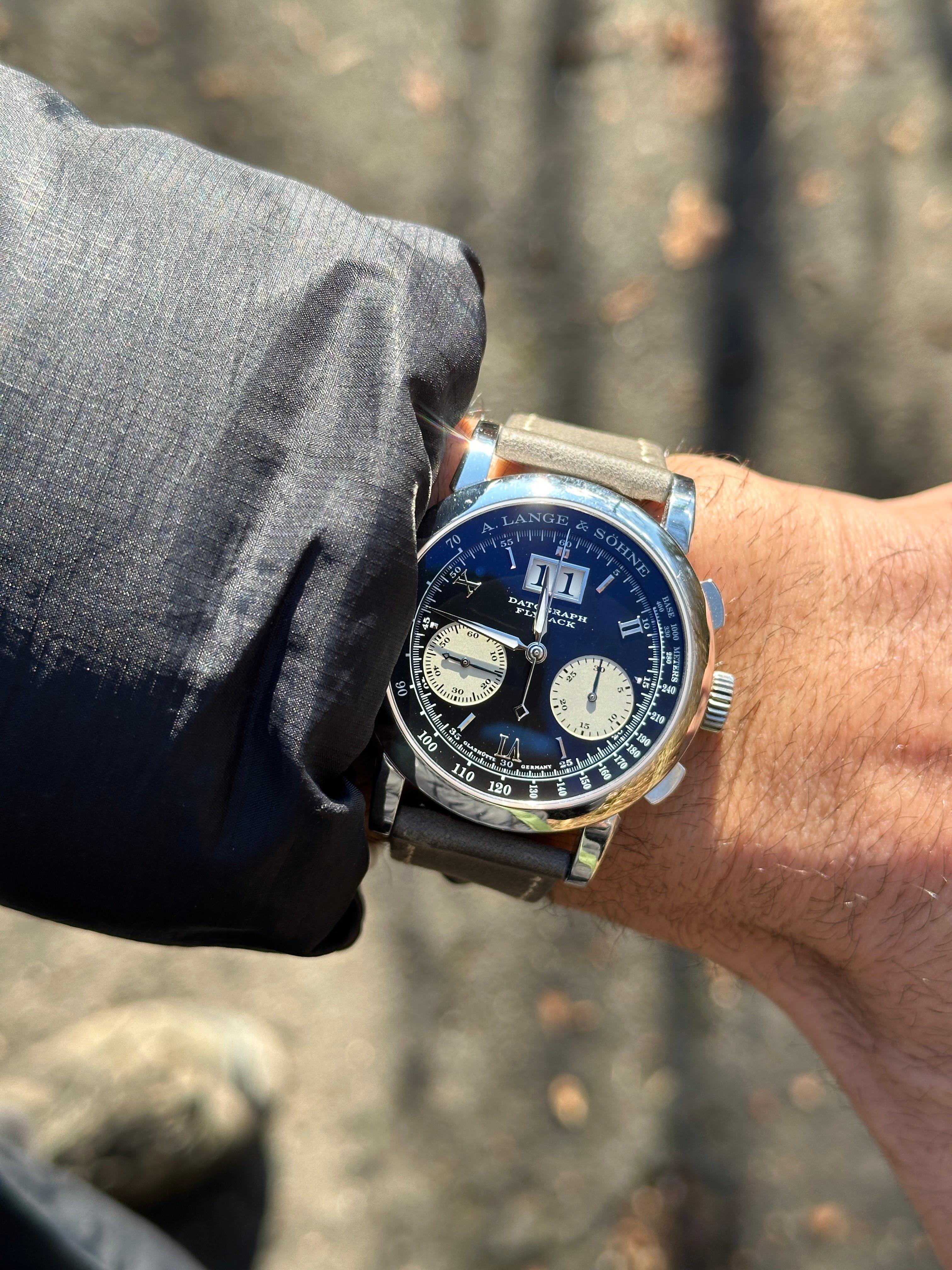
On paper, it was perfect. A true grail. One of the great modern chronographs. Monumental movement. Serious presence. All the right boxes ticked for someone who has spent years obsessing over Lange finishing, architecture and chronograph design.
And yet, once the honeymoon period wore off, something felt off.
The watch was stunning to look at. The movement was everything I hoped it would be. But on my wrist, it never quite clicked. It wore larger and heavier than I wanted. It did not suit my day to day life. I found myself choosing other watches more often. Then actively avoiding wearing it. Eventually, it sat in the box more than on my wrist. Check out my review here.
Six months later, I sold it.
That was a hard thing to admit, even to myself. Not because the watch was bad. It was not. But because I had built it up as the inevitable destination of my collecting. The watch you arrive at once you have earned your stripes.
What I learned is simple but important. Some grails are best admired from afar. Owning something does not automatically translate into joy. Sometimes the idea of a watch is more powerful than the reality of living with it.
That was a sobering but healthy realisation.
2. Design is starting to matter more to me than the movement
If you asked me ten years ago what I loved about watches, I would have given you a very technical answer. I knew the specs. I knew the differences between chronograph architectures. I cared deeply about jewel counts, power reserve, interior angles, clutch systems and escapement design.
That knowledge still matters to me. But it is no longer the driving force.
Over the last year, I have noticed a clear shift in how I respond emotionally to watches. The way a watch fits. The proportions. The audacity of the design. How it makes me feel when I glance down at my wrist during a normal day.
Those things now matter more than how impressive the movement looks under a loupe.
I have seen this play out very clearly in my own collecting. I have gravitated towards designs that are less obvious, less safe and sometimes less technically impressive on paper. Watches that prioritise shape, balance and character over mechanical fireworks.
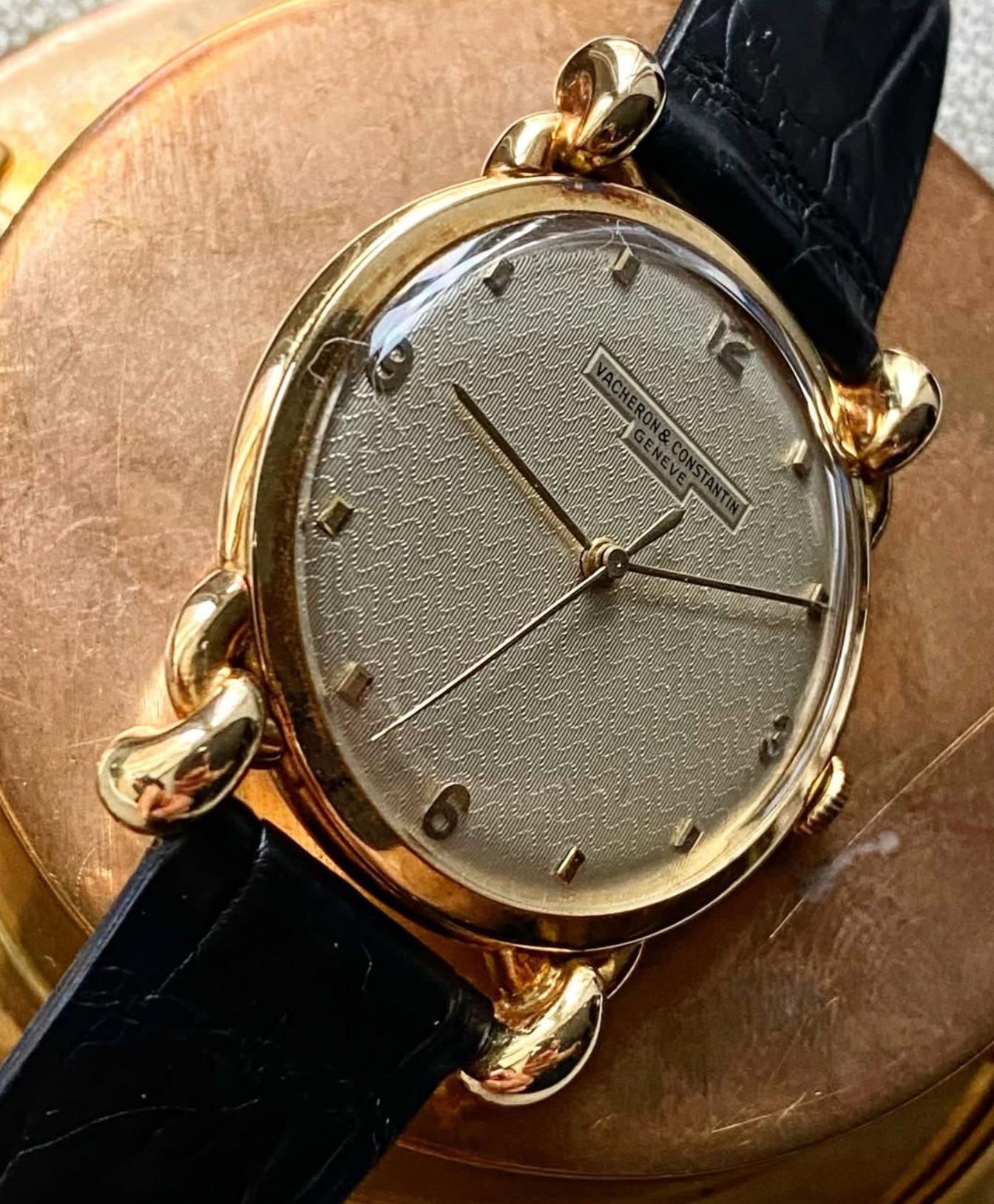
A good example is my growing fascination with pieces like the Cornes de Vacheron from the 1940s. There is nothing extreme about the movement. But the design is confident, unusual and unmistakably of its time. The lugs alone tell a story.
If I am going to wear something every day, I want it to say something about me. Not in a loud or performative way, but in a quiet, intentional one. Design is how that message comes across.
3. I want to reject the mainstream
This was probably the most uncomfortable realisation of the year.
At one point in 2025, I opened my watch box and felt oddly underwhelmed. On paper, it was a strong collection. Modern Rolex. Speedmasters. Panerai. Fifty Fathoms. Watches that are objectively good and widely respected.
But something was missing.
It did not feel curated. It felt accumulated. Anyone with enough money and access could walk into an authorised dealer or a secondary dealer and recreate most of it without much effort or thought.
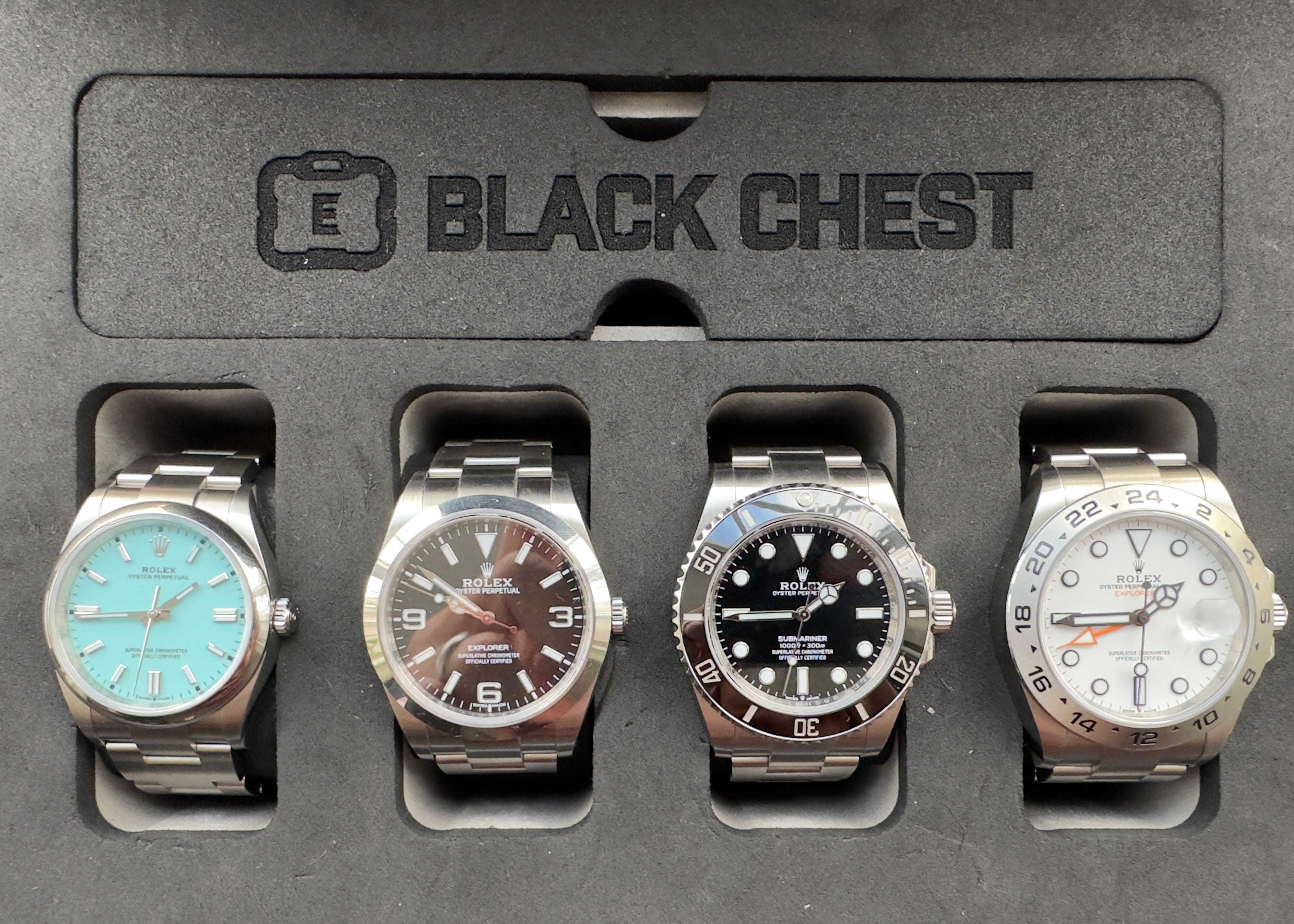
There was no cohesion. No clear point of view. No sense of risk or individuality. It did not reflect my knowledge, my interests or my love of horological history. It just reflected availability.
That realisation led to what I would describe as a hard reset.
Most of that mainstream modern stuff is going to go. Not because it is bad, but because it does not excite me anymore. Going forward, I want to collect watches that feel intentional. Watches that are harder to find. Watches that have historical relevance or design audacity, or ideally both.
They do not need to be expensive. A beautifully preserved vintage Memovox with a coloured dial can be had for around five thousand pounds and offers far more character and historical interest than many modern luxury watches. It may not be the watch for me personally, but it is exactly the type of thinking I want to apply.
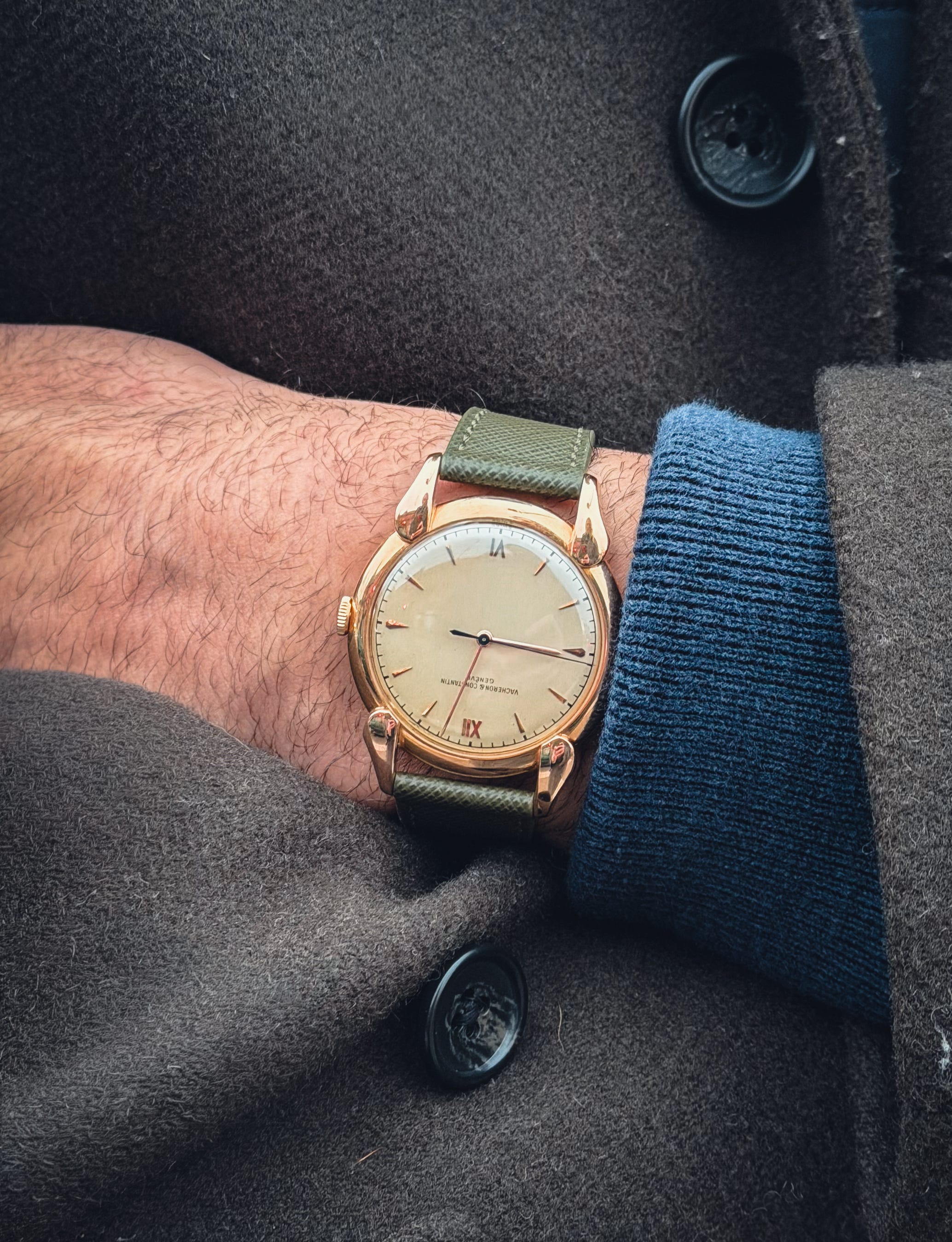
This shift is best represented by my recent acquisition of a 1940s Vacheron Constantin Cornes de Vache. Thirty seven and a half millimetres. Hard enamel dial. Exaggerated lugs that feel bold even today.
It is not subtle. It is not mainstream. And it is a watch I am genuinely proud to own.
4. I need more patience and less spontaneity
If I am honest, I made some poor decisions in 2025. Not catastrophic ones, but avoidable ones.
I spent too much time entertaining watches that should never have been serious considerations. Too much scrolling. Too much rationalising. Too many purchases that were driven by convenience or impulse rather than intent.
The Speedmaster bought at the airport is a perfect example. There was no story. No long term desire. No real reason beyond boredom and availability. It came and went without leaving much of an impression.
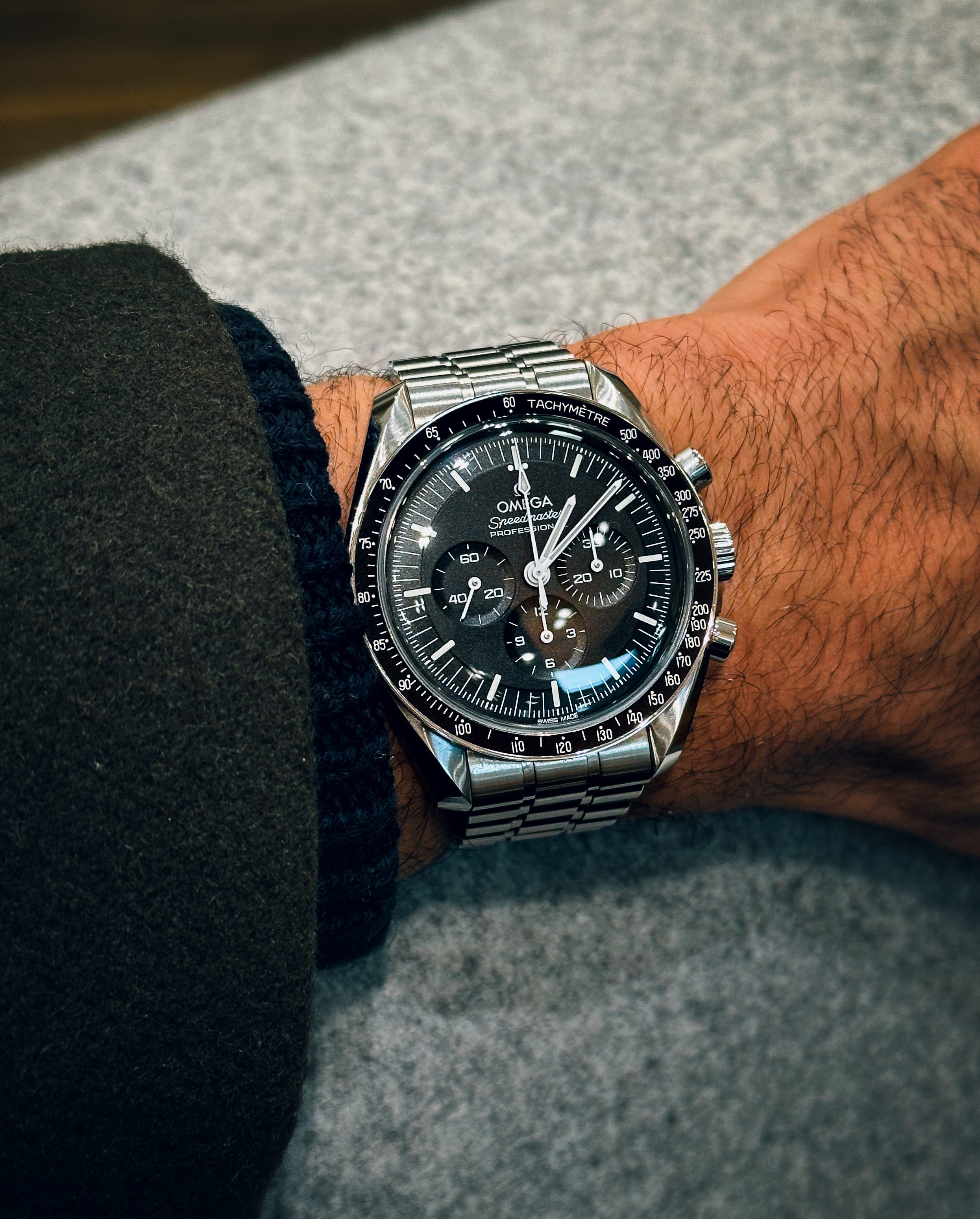
That experience helped me clarify a simple rule for myself going forward. I will only buy a watch for one of two reasons.
First, the watch is genuinely rare. I have been searching for it for a long time. Another example is unlikely to surface soon, and passing on it would mean waiting years.
Second, the watch has lived in my head for weeks. I cannot stop thinking about it. I have considered how it fits into the collection as a whole. I am confident it adds something meaningful rather than just taking up space.
If a watch does not meet one of those criteria, it does not get my money or my attention. That discipline would have saved me time, energy and a fair amount of churn this year.
5. The community is the best part of this hobby
For all the self critique above, this is the part that genuinely makes me smile.
The best thing about watches is not the watches, as cheesy at it sounds, it is the people.
Since starting this Substack in April, I have met collectors in Singapore and Florida. I have had people visit me in Germany. I have formed friendships over WhatsApp with people I may never have met otherwise. Conversations that started with watches have quickly expanded into life, work, family and everything else- you all know who you are, and thank you.
Starting a podcast with friends Jake, Justin and Tim has been another highlight. Not because of numbers or reach, but because it feels like an extension of the same honest conversations we would be having anyway. We are now on episode 3, with episode 4 dropping in the next week!
This hobby can be ridiculous at times. It can be expensive, self indulgent and occasionally absurd. But at its best, it connects people across borders and backgrounds in a way few hobbies do.
That sense of shared enthusiasm is what keeps me engaged, even when my tastes and priorities shift.
Looking ahead to 2026
So what comes next.
Hopefully, more of the same. More thought. More patience. Fewer impulse buys. More watches that feel personal and considered.
This Substack will remain unsponsored. I have not taken a penny or a product from any brand, and I do not plan to. It will stay free. Any contributions I have received have come purely from kindness, and they are genuinely appreciated. If you have ever supported the Substack, please know that it has not gone unnoticed. If our paths cross in the real world, I owe you a drink.
Most of all, thank you for reading. For engaging. For challenging me. For sharing your own perspectives.
I would love to hear what you learned about yourself as a collector in 2025, and what you are looking forward to in 2026.
Happy Holidays and Happy New Year.
Salim
The Deadbeat Seconds
Well said, Salim. I think your learnings are shared by many of us as we progress through our collecting journeys. Number 2 was particularly relevant to me this year. I, too used to be a movement and escapement junkie. I obsessed about timekeeping precision, movement design, and technical specifications. As I learned more, finissage became more and more important (which helps creates the problem in item number 1). Both are still relevant and have value for me, but these days, design and aesthetics take pride of place. A watch must make me smile when I look at in order to be part of my collection; hardly logical or scientific, but very satisfying. It is also more personal; movements and finissage can be compared reasonably objectively, but aesthetic sensibilities should be one’s own.
Best wishes for a happy and healthy New Year!
The Tiffany blue OP is cool. I do agree with you about vintage, I find that I like it more over time